Why Neutral Spaces Need Bold Art
Neutral interiors have become a defining language of modern design. Soft whites, warm beiges, stone, linen, and natural woods create spaces that feel calm, intentional, and timeless. Designers and collectors alike are drawn to neutrality because it offers flexibility and longevity. Yet without a strong focal point, these spaces can feel incomplete.
This is where bold art becomes essential.

From an interior design perspective, neutral rooms are not meant to be visually quiet in every direction. They are meant to support contrast. A bold artwork introduces scale, rhythm, and visual tension. It gives the room an anchor. Without it, the space risks feeling like a backdrop rather than a finished environment.
Strong art establishes hierarchy. It tells the eye where to go first. Furniture, lighting, and architectural elements then fall into place around it. In well-designed interiors, art is not an accessory added at the end. It is a structural decision.

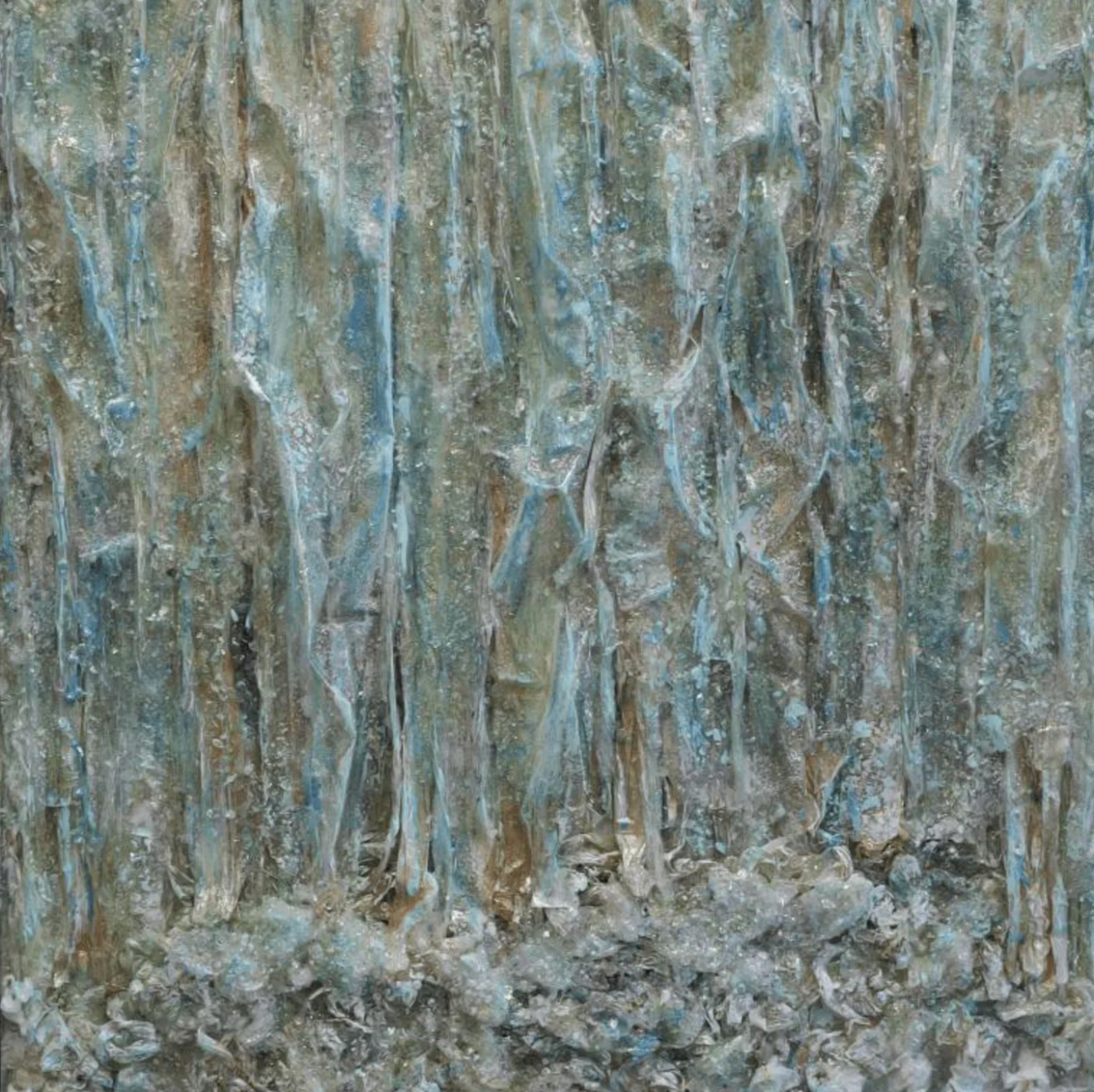
As an artist, bold work in a neutral space reads with clarity and presence. When color, texture, or line is concentrated in a single piece, it carries more weight. The restraint of the surrounding environment allows the artwork to breathe. Texture becomes more pronounced. Surface variation becomes intentional. Even minimal or monochromatic works feel powerful when scale and material are given room to speak.
For collectors, neutral interiors are often misunderstood. Many hesitate to acquire bold art out of fear that it will overwhelm a space or limit future design choices. In reality, the opposite is true. Neutral environments are the most adaptable settings for strong work. A confident piece can move from home to home, room to room, without losing relevance.
This is why seasoned collectors often place their most decisive works in their calmest spaces. The neutrality amplifies the art rather than competing with it. Color carries emotional weight. Line becomes architectural. The artwork defines the room without dictating every design choice.

In modern interior design, bold art is not decoration. It is structure. It shapes how a space is experienced and remembered. It adds depth to minimalism and intention to simplicity.
For interior designers, the lesson is clear. Do not shy away from placing assertive art in quiet spaces. For collectors, trust that strong work will not overpower a neutral interior. It will complete it.
Neutral spaces do not need more restraint.