Why Art Speaks to Us Before We Understand It
The Subconscious, Symbolism, and the Power of Unexplained Attraction
Some of the most meaningful moments with art happen before we think.
Before we analyze color palettes, materials, movements, or market value.
You enter a gallery, scroll through a viewing room, or pause mid-walk because one piece quietly claims your attention. You may not know why. You may not even like it in the conventional sense. Yet something in you has already responded.

At MASH Gallery, we see this happen every day. Collectors, designers, and first-time visitors often feel drawn to a work long before they can articulate a reason. That instinctive response is not a lack of sophistication. It is the most honest form of engagement art can offer.
The Subconscious Is Always Working
Psychologist Carl Jung believed that the unconscious mind processes symbols faster and more accurately than the rational mind. Long before we learn how to explain ourselves, we understand images. The subconscious communicates through attraction, discomfort, curiosity, tension, and familiarity.
Art operates directly within this space.
When a work pulls you in immediately, it is often because it reflects something already active in your inner world. Not necessarily something you can name, but something you are currently navigating emotionally, psychologically, or intuitively.

This is why art does not function the same way for everyone. Two people can stand in front of the same piece and have entirely different reactions, both valid. Each person brings a different inner landscape to the encounter.
Art does not impose meaning. It reveals it.
Why Certain Images Carry Weight
Across history and cultures, artists have returned to recurring symbolic forms. Movement, repetition, shadow, fragmentation, stillness, organic growth, tension, and release. These are not decorative choices. They are psychological ones.

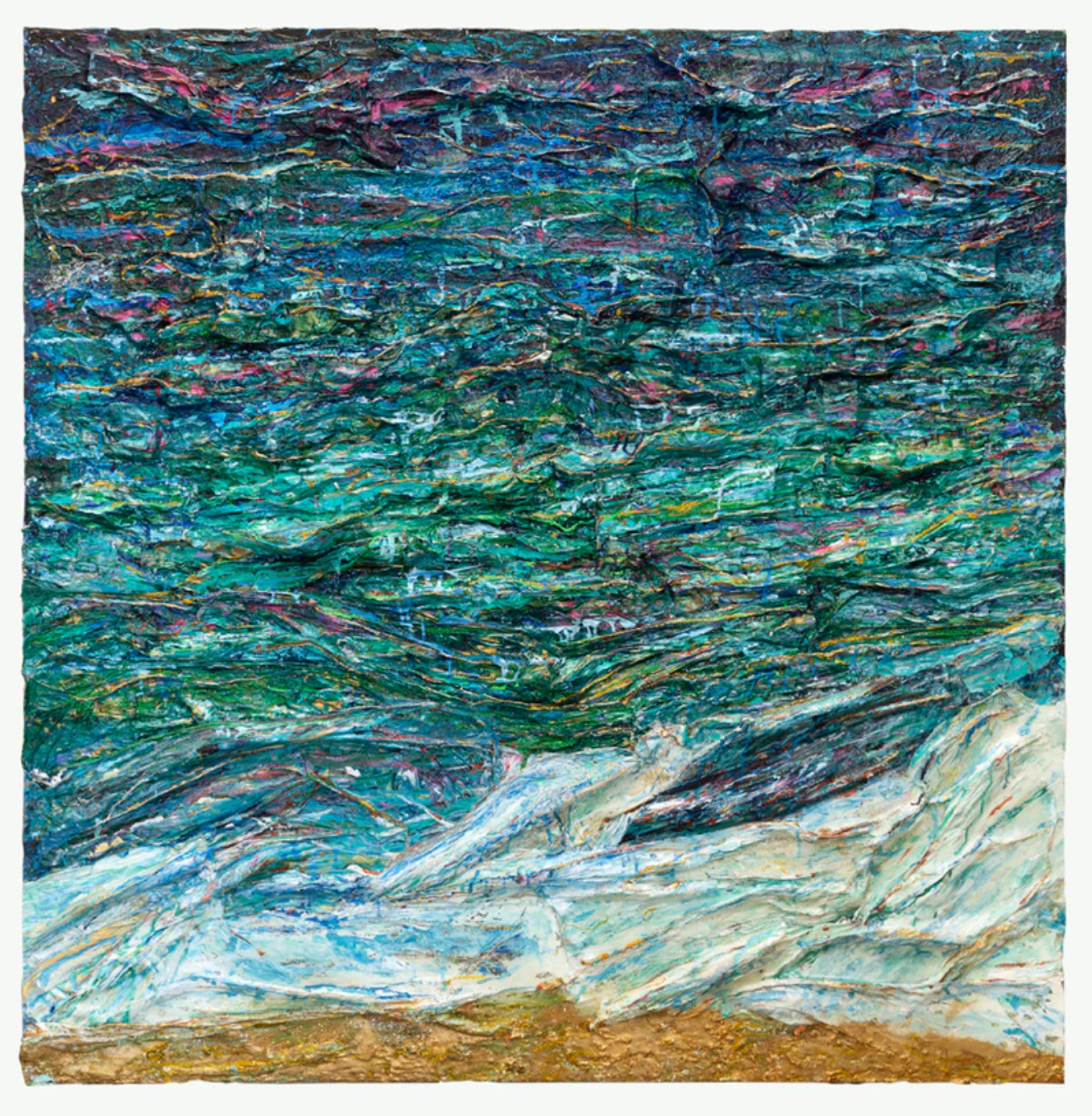
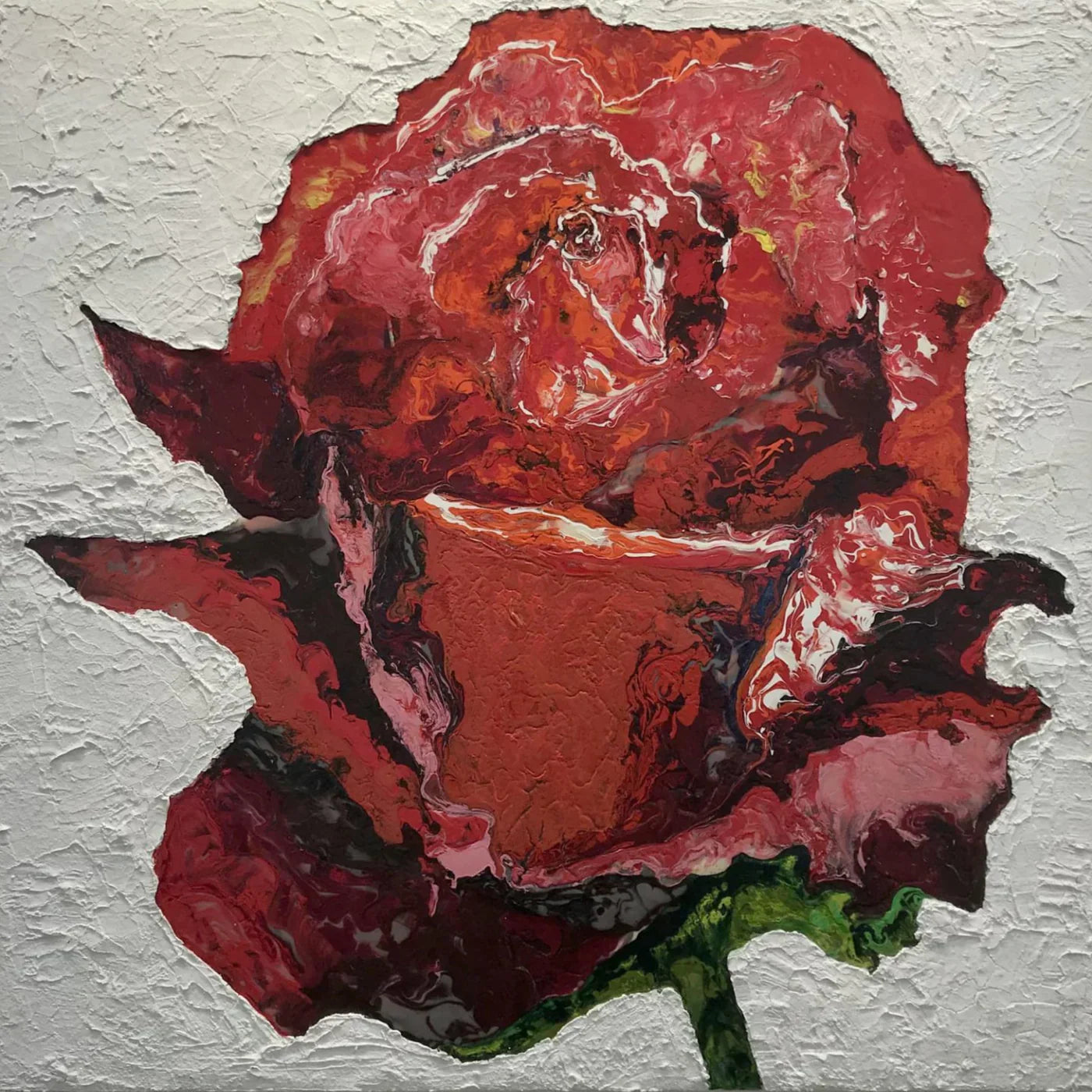
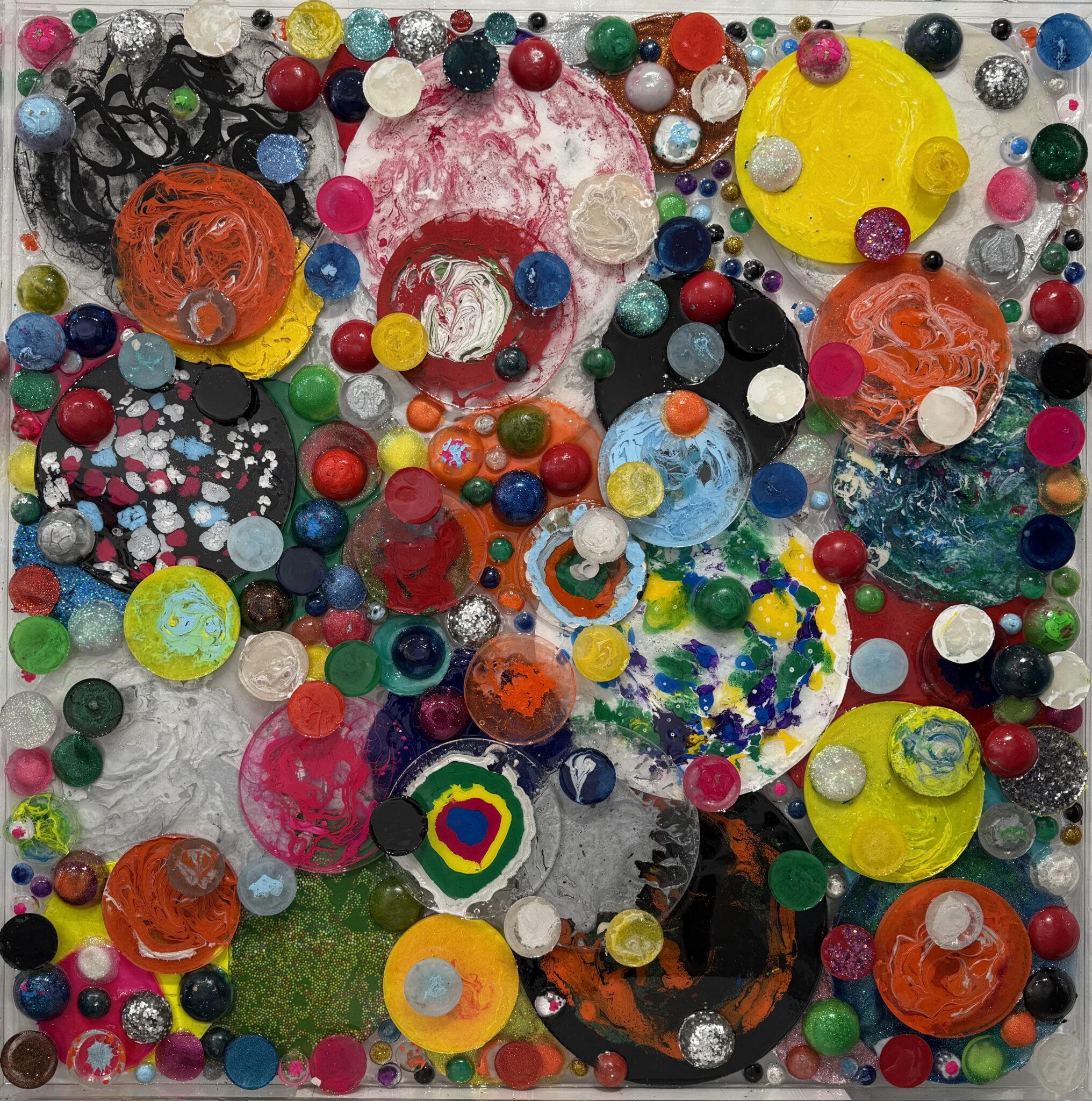
Abstract and contemporary art are particularly effective at this because they remove literal storytelling. Without a prescribed narrative, the viewer’s subconscious fills the space. Memory, emotion, and personal experience become part of the work.
This is why abstraction can feel deeply personal. The artist creates a structure, a rhythm, a visual language. The viewer completes it internally.
What you respond to is rarely about what the work “means.” It is about what it activates.

Attraction Without Explanation Is Not Random
Many people believe their taste in art is rational. In reality, preference is shaped by memory, emotion, and lived experience. We are drawn to what feels familiar, unresolved, aspirational, or necessary in a given moment.
This is also why taste evolves. A work that once felt distant may later feel essential. Not because the artwork changed, but because you did.
Art becomes a mirror of internal shifts over time.
Collectors often describe a piece they “couldn’t stop thinking about.” That lingering presence is a sign that the work connected beyond surface aesthetics. It entered the subconscious and stayed there.
This is not something that can be forced through explanation. It happens before explanation.
The Role of Stillness and Space
In a world saturated with information, art that allows space for silence carries particular power. When a work does not explain itself immediately, it invites presence rather than consumption.
At MASH Gallery, we value art that rewards time. Pieces that reveal themselves slowly. Works that change depending on the viewer’s state of mind, environment, or emotional context.
This is also why texture, material, scale, and physical presence matter so deeply. The body responds to art before the intellect does. Surface, depth, repetition, and tension are felt, not decoded.
For Collectors and Interior Designers
Understanding subconscious attraction changes how art is chosen and lived with.
For collectors, it reframes the decision-making process. A piece that resonates quietly and persistently often holds deeper personal value than one selected solely for trend or category. These works tend to remain meaningful because the connection was internal from the beginning.
For interior designers, this awareness helps explain why certain artworks transform a space beyond visual cohesion. When a piece aligns with the emotional tone of an environment, it anchors the room. It creates a sense of coherence that cannot be reduced to color matching alone.
Art works best when it speaks to the unseen layer of a space.

Why Overthinking Can Create Distance
Analysis has its place. Context, art history, and curatorial framing all add richness. But when logic leads the encounter too early, it can mute instinct.
The subconscious does not respond to justification. It responds to resonance.
When viewers allow themselves to feel first and think second, their relationship with art becomes more honest. Meaning often arrives later, shaped by time, reflection, and lived experience.
Art as a Record of Inner Life
Over time, the works we live with become markers of who we were when we chose them. They reflect periods of intensity, restraint, transformation, or introspection. Seen together, a collection often tells a story its owner never consciously set out to write.
This is why art matters beyond aesthetics. It documents psychological states. It holds memory. It reflects inner movement.

Trusting the First Response
When a piece of art draws you in without explanation, that response deserves respect. It does not need to be defended. It does not need to be translated immediately.
Art is not always asking to be understood.
Sometimes it is asking to be recognized.
At MASH Gallery, we believe the most lasting connections with art begin before language enters the room. The mind may follow, but the subconscious always arrives first.