The Psychology of Buying Art: Why We Choose the Works We Do
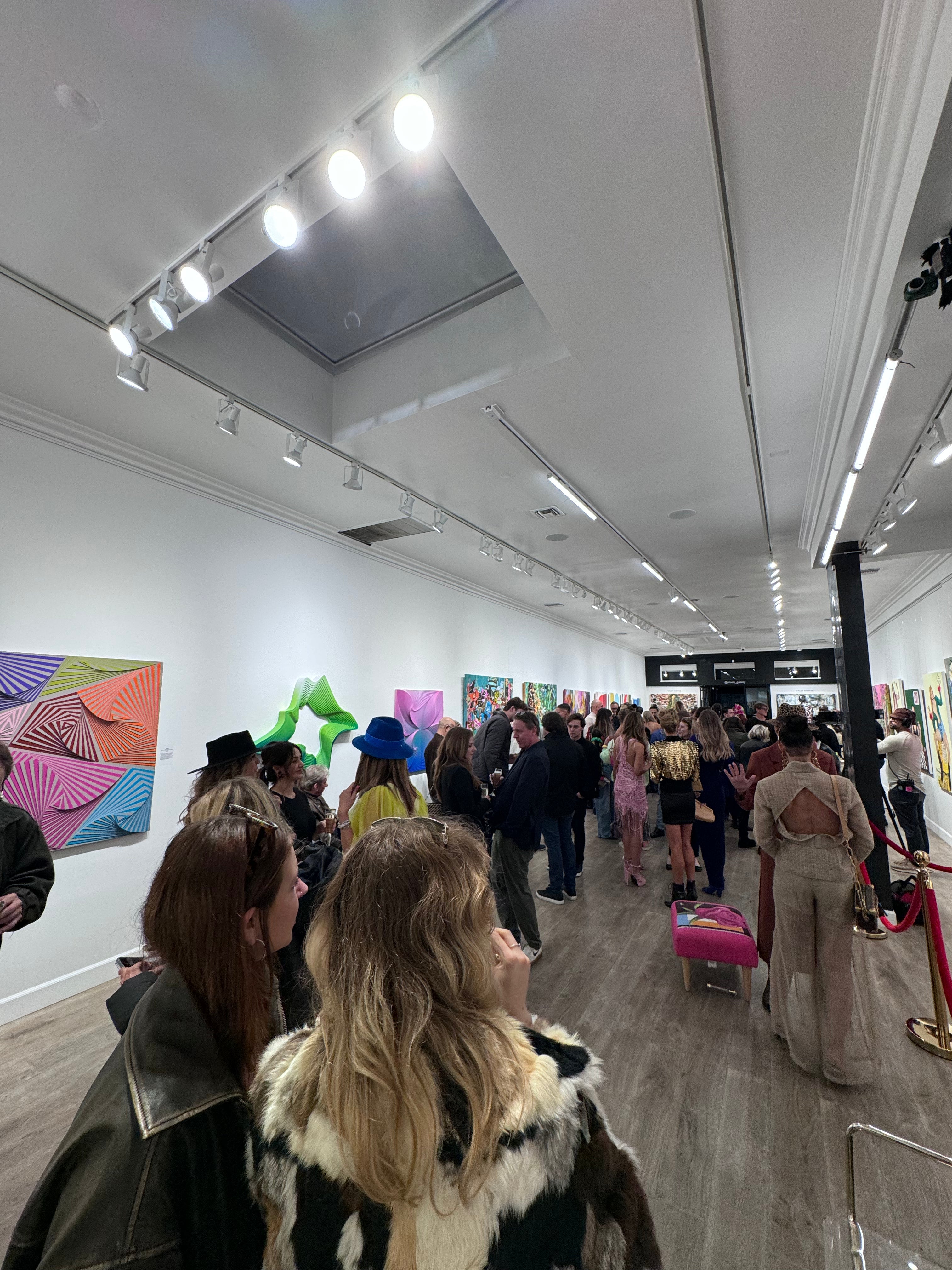
Collecting contemporary art is often described as a visual decision, but in reality, it is deeply psychological. Art purchases are guided by emotion, identity, memory, and the desire for connection. At leading contemporary art galleries like MASH Gallery in Los Angeles, these human factors are central to how collectors respond to artwork, often long before considerations of price or investment enter the conversation.
Founded by artist and curator Haleh Mashian, MASH Gallery approaches exhibitions with a strong awareness of how viewers emotionally and psychologically engage with art. The gallery’s curatorial vision is built around creating moments of recognition, reflection, and resonance between the artwork and the collector.
Emotional Triggers Behind Art Purchases
Emotion is almost always the first point of contact between a viewer and an artwork. Color, scale, texture, and movement can create an immediate response that feels instinctive rather than intellectual. Many collectors describe knowing a piece is right before they can articulate why.
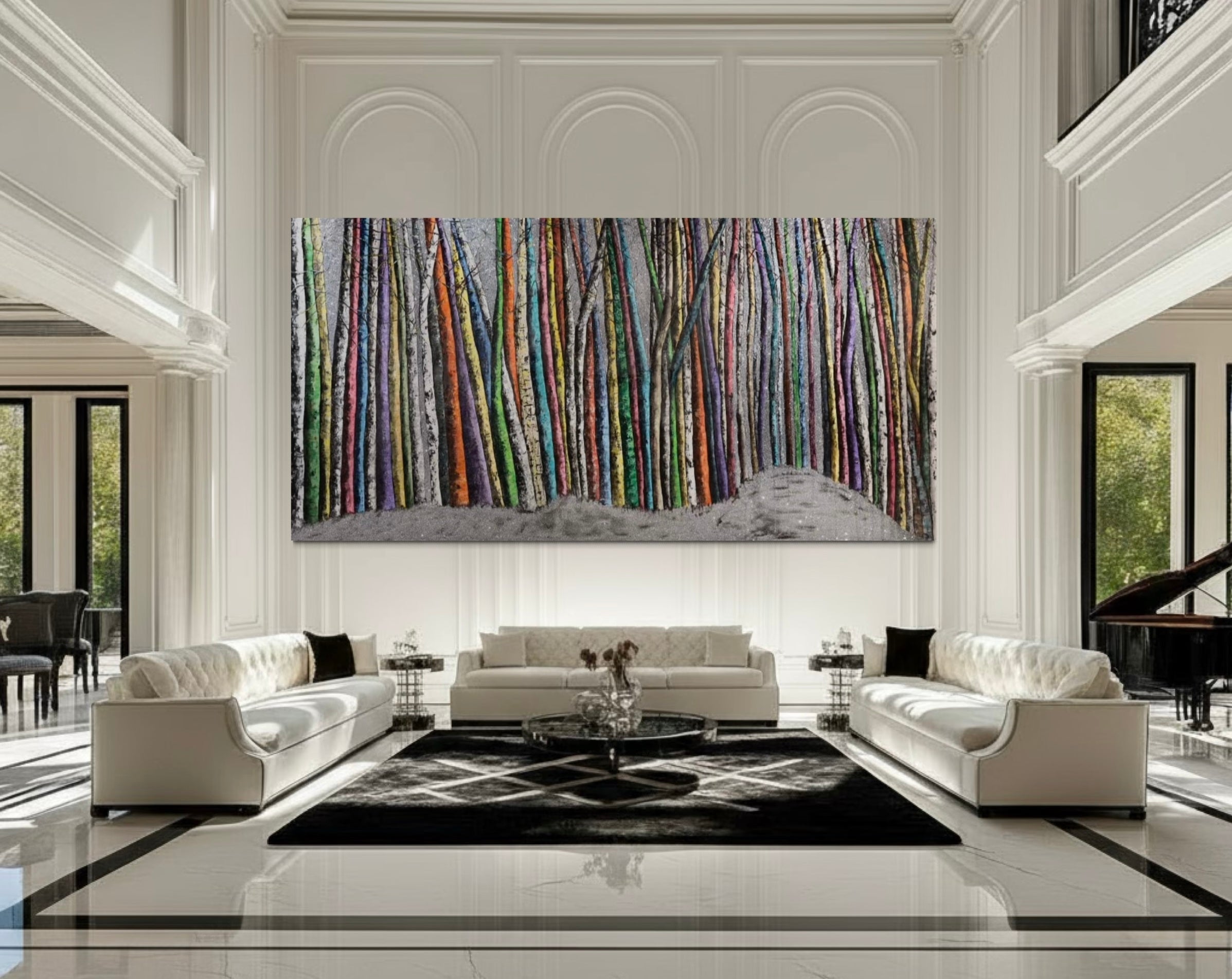
In contemporary art, this emotional pull often comes from material presence. Layered surfaces, visible brushwork, sculptural elements, and tactile materials invite the viewer to slow down and connect physically as well as visually. Haleh Mashian’s own work, particularly her forest-inspired series, often operates in this space, using rhythm, depth, and organic forms to create a sense of immersion and quiet intensity.

Identity, Status, and the Desire for Belonging
Art also functions as an extension of identity. The works people choose to live with reflect how they see themselves and how they wish to be seen. For some collectors, contemporary art signals cultural awareness and curiosity. For others, it represents confidence, individuality, or alignment with a creative community.
Galleries like MASH Gallery play a key role in shaping this relationship by providing context and credibility. Collectors are not only acquiring an artwork; they are entering a narrative shaped by the gallery’s curatorial direction, artist relationships, and exhibition history. In this way, contemporary art becomes a marker of belonging within a broader cultural conversation.
Why Narrative Matters More Than Ever
Today’s art collectors are increasingly drawn to story. Narrative gives artwork depth beyond aesthetics, offering insight into the artist’s process, background, and intention. In a digital world saturated with images, meaning becomes a differentiator.
Haleh Mashian has consistently emphasized the importance of narrative in both her artistic practice and curatorial work. At MASH Gallery, exhibitions are designed to create a cohesive emotional and conceptual journey, allowing viewers to understand not only what they are seeing, but why it exists. This layered storytelling strengthens emotional attachment and often influences long-term collecting decisions.

How MASH Artists Connect Through Color, Texture, and Symbolism
Artists shown at MASH Gallery frequently engage viewers through deliberate use of color, texture, and symbolic form. These elements operate on a subconscious level, shaping mood and memory. Rich palettes can suggest warmth, intensity, or calm. Textured surfaces add physicality and presence. Symbolic imagery invites personal interpretation, allowing each viewer to bring their own experiences into the work.
This approach aligns with contemporary art trends that prioritize material exploration and emotional intelligence. By focusing on how art feels as much as how it looks, MASH artists create works that resonate across personal, psychological, and spatial dimensions.
Ultimately, the psychology of buying art reveals that collecting is less about possession and more about connection. At MASH Gallery, under the direction of Haleh Mashian, contemporary art is presented as a living dialogue between artist, artwork, and viewer, one that continues to unfold long after the piece finds its place in a home or collection.