What Happens in Your Brain When You Stand in Front of a Painting
Most people think of a gallery visit as a way to fill an afternoon. Nice if you have the time. Not something you'd call essential. I used to think about it that way too, before I spent enough years standing in rooms full of paintings to notice what actually happens to people while they're looking. It turns out the research backs up what I'd already seen with my own eyes. Viewing art in person changes brain chemistry, lowers stress, and is tied to measurably better long-term mental health.
The reward system lights up

Neuroimaging studies show that looking at art engages the same reward circuitry as eating, touch, and connection with another person. The orbitofrontal cortex and ventral striatum, the brain's core reward centers, activate when a piece actually lands. Dopamine follows. That release isn't just pleasure. It's the brain marking something as meaningful. A meal, a conversation, a painting, anything registered as significant triggers the same response.
This is the territory neuroaesthetics studies, how a sensory experience becomes an emotional and cognitive one. What I find remarkable is how specific the findings are.
Why the same piece hits two people differently

The more a work moves someone, the more activity shows up in the default mode network, the system responsible for self-reflection, memory, and meaning-making. I've watched two people stand in front of the same painting and walk away with completely different experiences, and this is why. The work on the wall doesn't change. The person meeting it does.
What stress research shows

Stress responds to art too. A 2006 study found that a short gallery visit measurably lowered cortisol in people who arrived stressed. No intervention beyond looking. Just standing in front of work and letting it hold attention was enough to shift a physiological stress marker. I believe this more than almost anything else in the research, because I've felt it happen to myself in my own studio.
The longer pattern I find hardest to ignore

The long-term data is the part that stays with me. A longitudinal study in the British Journal of Psychiatry followed adults over 50 and found that visiting galleries or museums every few months was linked to a 32 percent lower risk of depression. Visiting monthly or more brought that number to 48 percent. Researchers controlled for income, health, and social factors, and the pattern held. It's observational, not proof, but it's consistent enough that I take it seriously.
Part of what's happening, I think, is that looking at art asks almost nothing of you while still holding your attention. There's nothing to produce, solve, or respond to. The mind gets to simply receive, which is rare in a normal day. There's a social layer too. Standing in front of a piece with someone else changes how you experience it, and that shared attention is linked to the same chemical response behind bonding and trust.
Why I think this matters

Reward, stress relief, memory, connection, all of it engaged just by standing in a room and looking. I don't think that's optional. I think it's something the brain needs regular contact with to stay steady, and art is one of the more reliable, least demanding ways to give it that.
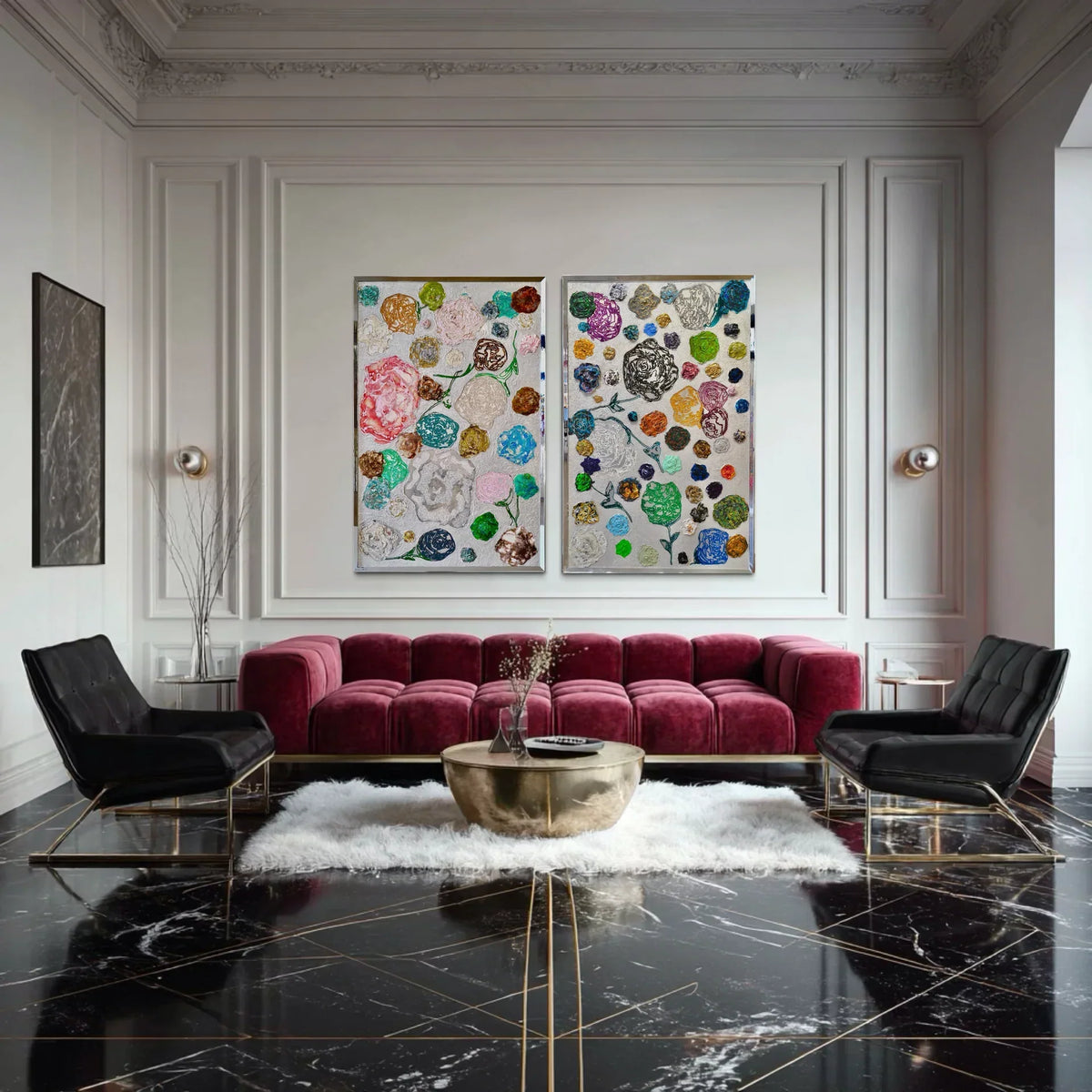
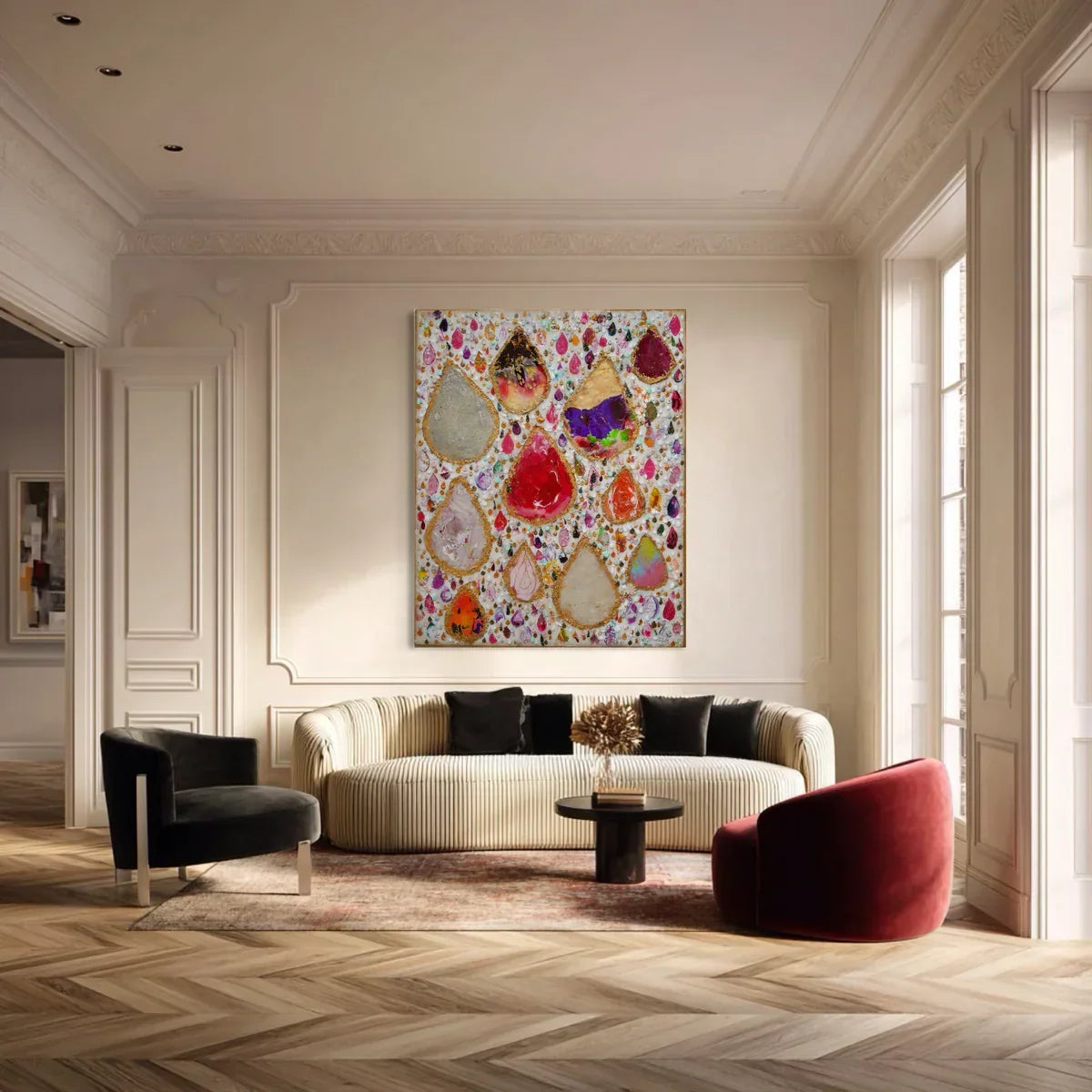
This is why I built the walls I built. By Hand & By Heart, our summer group exhibition opening July 25, brings together eight artists working in impasto, resin, fiber, and metal, work made to give the eye, and the nervous system underneath it, something to actually stop on. Come stand in front of it. Your brain will know before you do.
MASH Gallery 812 N La Cienega Blvd, West Hollywood, CA 90069