How I Choose Color in My Paintings
Why Color Is the First Decision I Make and the Last One I Trust
People assume I plan my color palettes. I don't, not in the way they imagine. Color is the first decision on any canvas and somehow also the one I'm still negotiating on the last day I touch it. I've made peace with that contradiction because I think it's where the honest work happens.

Color before subject
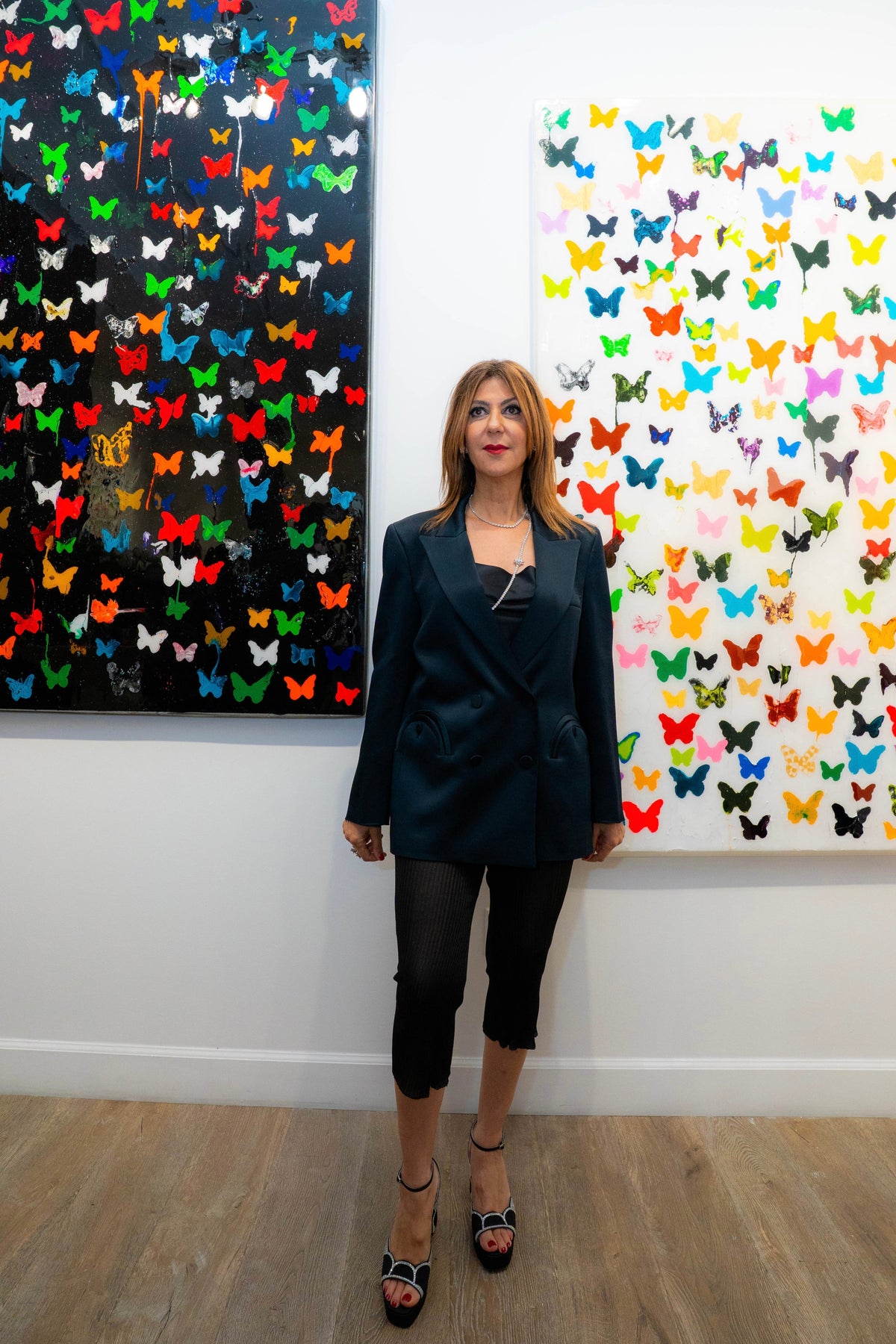
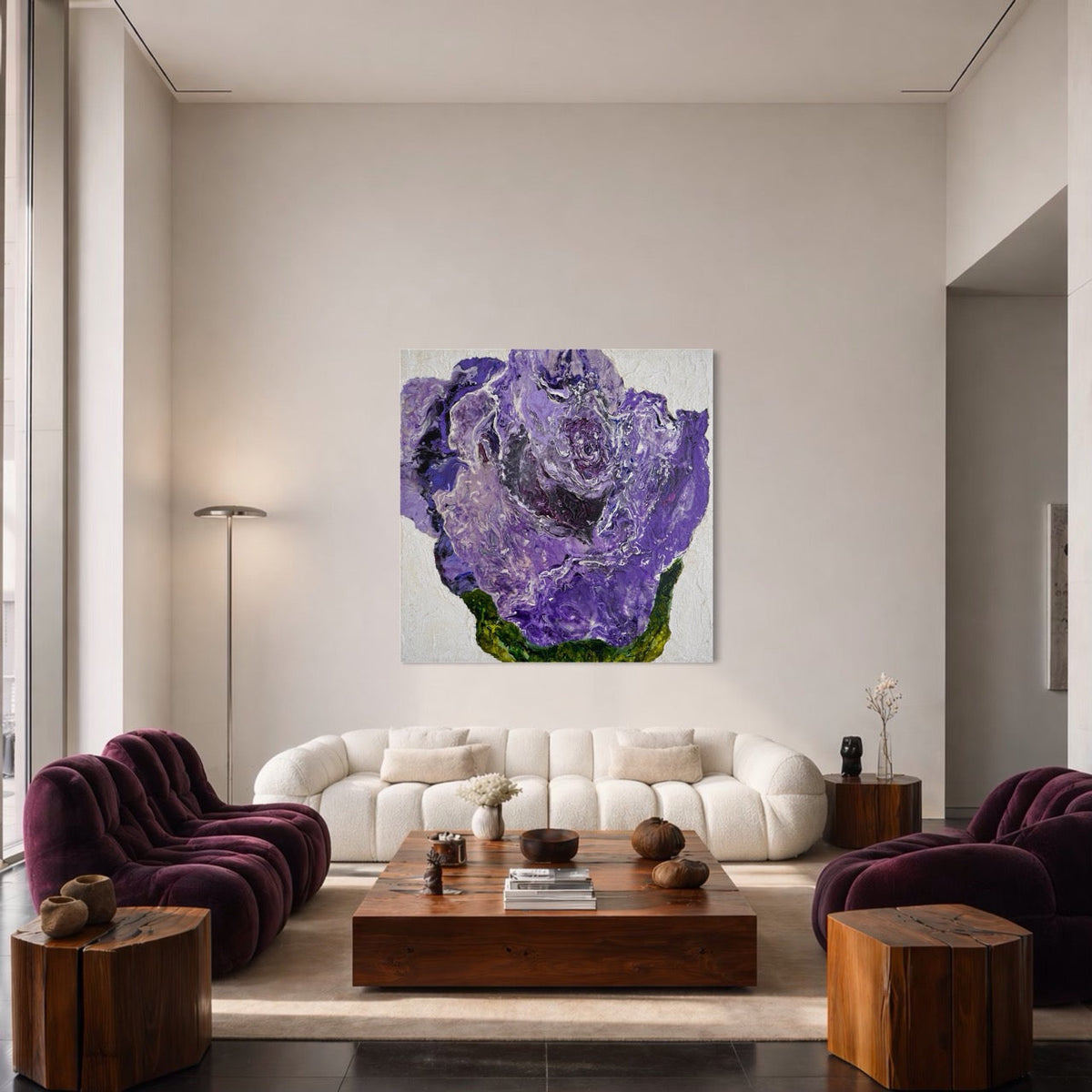
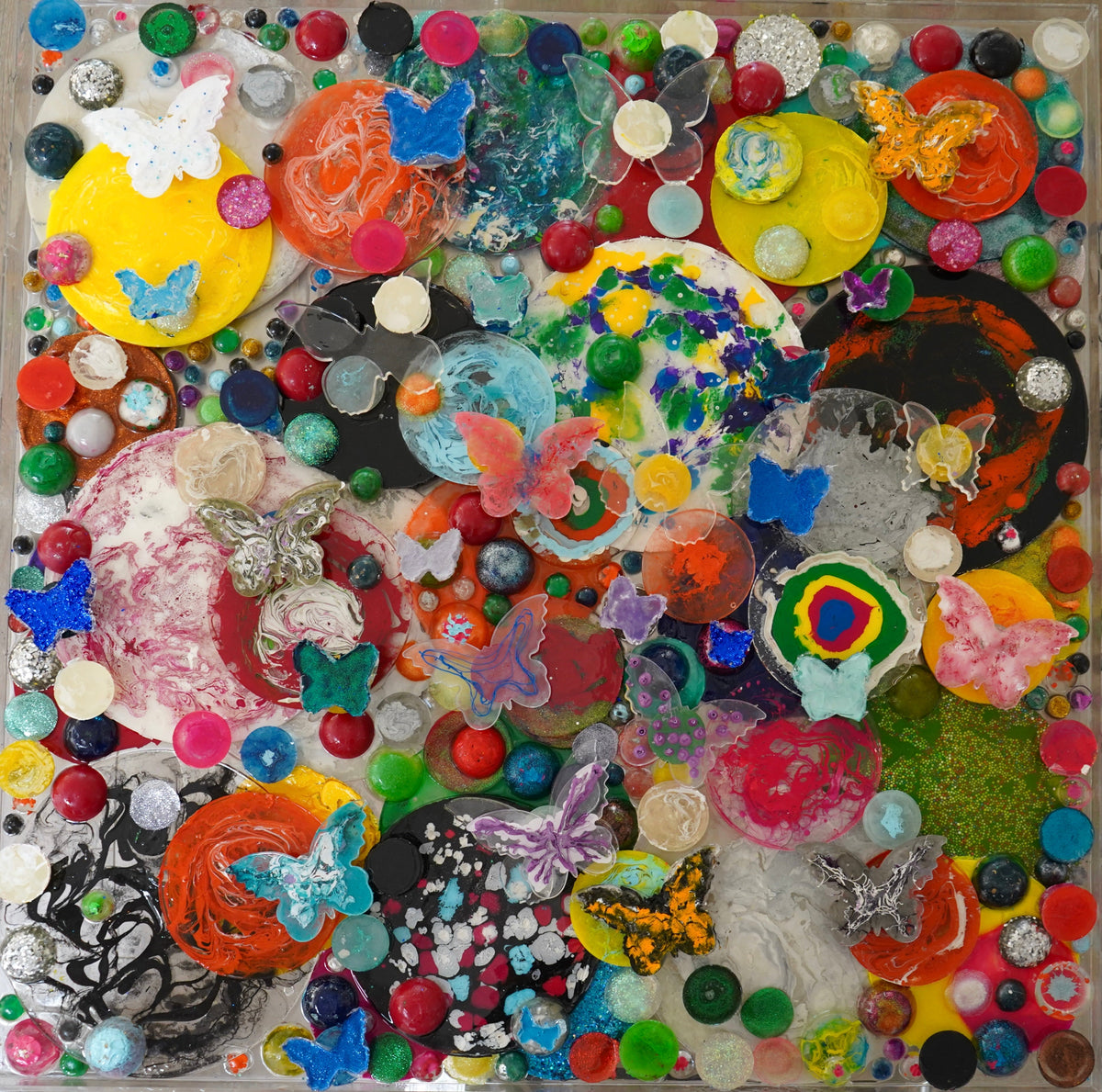
Across my Butterfly, Rose, and Water series, the color usually arrives before I know exactly what the painting is. A specific blue will demand to be on the canvas before I understand why. I've learned not to argue with that instinct, only to follow it and figure out the reasoning later, if there is any.

What gold leaf taught me
Working with gold leaf changed how I think about color entirely, because gold isn't a color so much as a behavior. It shifts with the light in the room, with the time of day, with where you stand. It taught me that color was never really a fixed decision. It's a relationship between the surface and whoever's looking at it, which changes every time.

The risk of getting it wrong
I've ruined paintings by pushing a color too far, and I've saved paintings by trusting a combination that made no sense on paper. There's no formula that survives contact with the canvas. Every rule I've read about color, I've eventually broken because the painting asked me to.

Why I don't explain it in advance
When people ask what a color means in a specific piece, I resist giving a tidy answer, because the honest one is usually that I didn't fully know until it was finished, and sometimes not even then. The meaning belongs partly to whoever is standing in front of it. That's not a dodge. It's the whole point.