Beyond Flatness: Material, Surface, and the Limits of Greenberg's Modernism
What Greenberg Got Right
When Clement Greenberg championed Modernist painting in the mid-twentieth century, he argued that every art form should pursue the qualities unique to its own medium. For painting, that quality was flatness. The canvas was not a window into an illusionistic world, nor should it aspire to become sculpture. Its strength lay in acknowledging its two-dimensional nature through color, surface, and composition.
Greenberg's ideas transformed the history of modern art. They helped define the critical language surrounding Abstract Expressionism and elevated artists whose work emphasized the physical act of painting rather than narrative or representation. His writing shifted attention from subject matter to the painting itself, from what a work depicts to how it exists.
Where My Work Begins
In many ways, my work shares Greenberg's reverence for material.
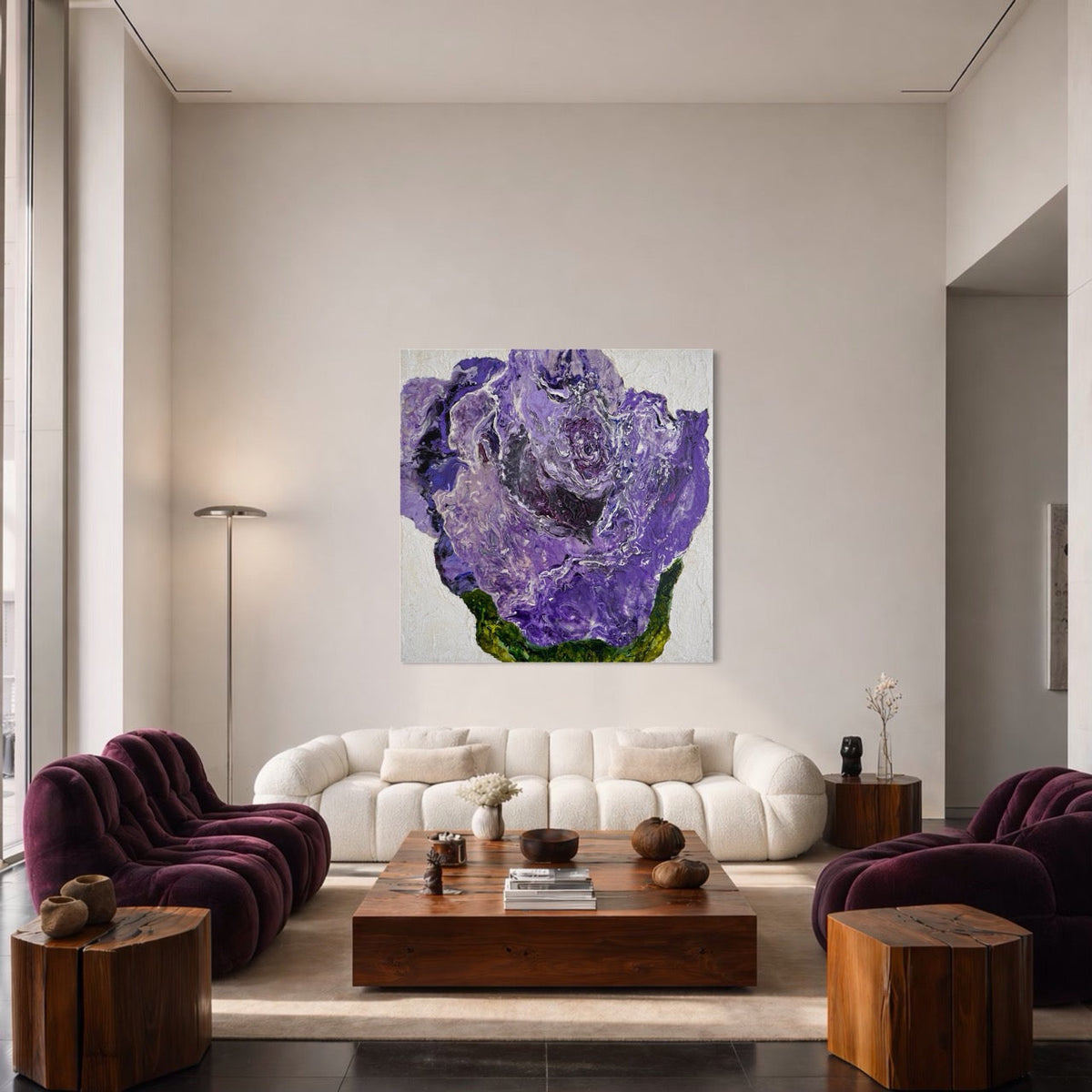
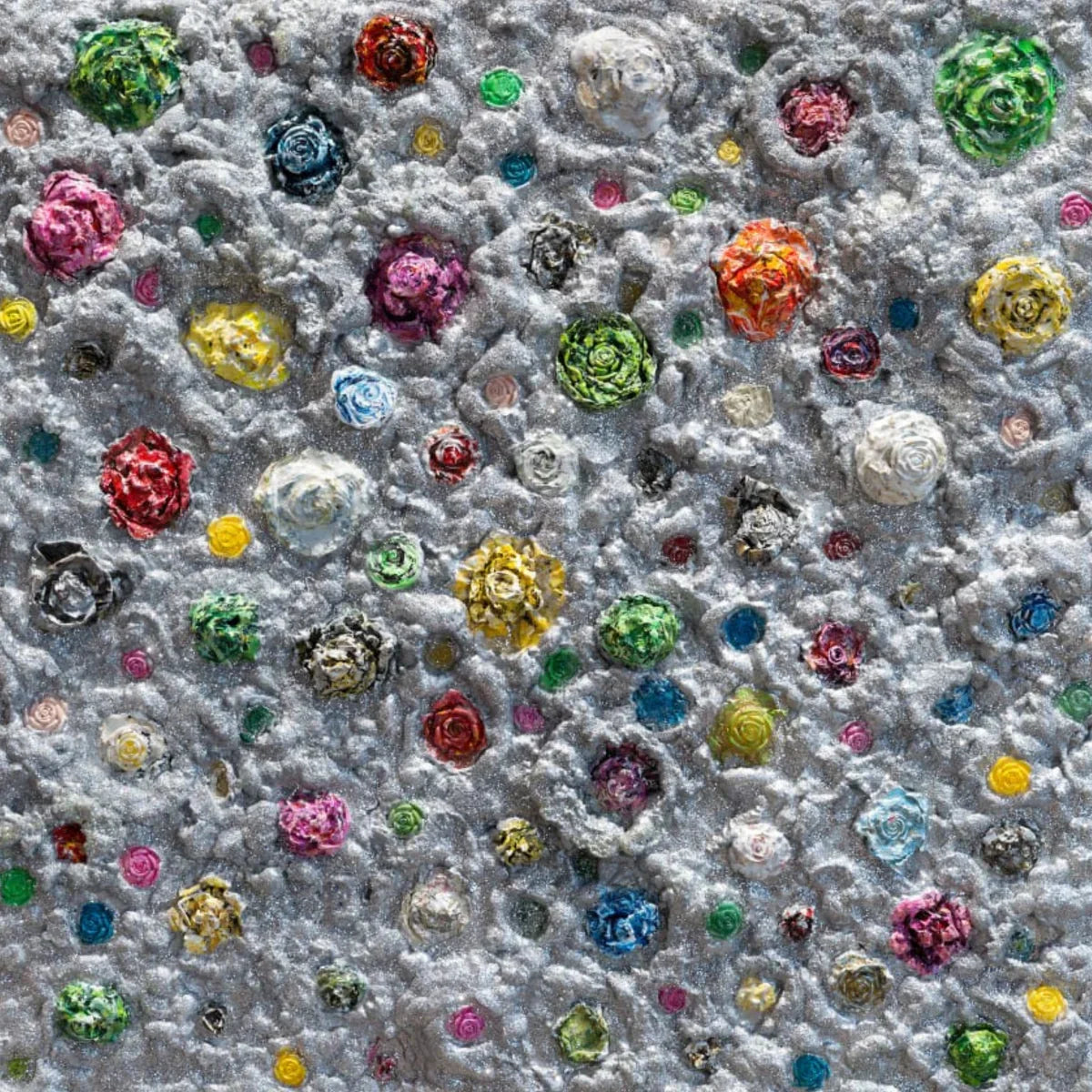
The resin, gold leaf, impasto, lacquer, glitter, and countless layers that compose my paintings are not decorative embellishments. They are the language of the work itself. Material is never subordinate to image; it is the image. The tactile presence of each surface records time, accumulation, and the physical dialogue between artist and medium. Like Greenberg, I believe that the substance of painting possesses its own expressive authority.

Where Our Paths Diverge
Yet this is where our paths diverge.
For Greenberg, the integrity of painting depended upon preserving its essential flatness. My paintings move in the opposite direction. Rather than concealing their physicality, they amplify it. Layers rise from the canvas, resin forms sculptural relief, butterflies emerge into real space, and the surface acquires a topography that changes with light and movement. The painting no longer behaves solely as an image; it becomes an object.
The canvas is not merely viewed. It is encountered.

The Threshold Between Painting and Sculpture
This transformation places the work in a territory Greenberg largely resisted, the threshold between painting and sculpture. The surface no longer functions as a boundary but as an active spatial field. Light reflects differently across polished resin than across rough impasto. Gold leaf shifts with the viewer's position. Shadows become part of the composition. Material does not simply describe space; it generates it.
The physical object becomes inseparable from the visual experience.

Material as Meaning
Equally important is the role these materials play beyond their formal presence. Greenberg maintained that the significance of painting resided primarily in its formal qualities: color, composition, surface, and the internal relationships of paint itself. In my work, material carries both formal and symbolic meaning.
Resin preserves moments much like amber preserves fragments of time. Gold leaf evokes transcendence, memory, and permanence. Butterflies embody transformation, not merely as symbols but as sculptural forms that physically emerge from the painting, crossing the boundary between image and reality. Thick impasto records gesture while simultaneously suggesting geological accumulation, emotional sediment, and lived experience.
Meaning is not applied to the surface; it is embedded within it.

Formalism and Meaning Are Not Opposites
The paintings therefore ask the viewer to engage on multiple levels simultaneously. They can be appreciated formally through rhythm, color, texture, and light, but they also invite contemplation of transformation, resilience, spirituality, and the unseen energies that shape human experience.
Rather than choosing between formalism and meaning, I believe the two are inseparable.

Liberating Painting from Flatness
If Greenberg liberated painting from the burden of illusion, contemporary artists have the opportunity to liberate painting from the limitations of flatness. Material no longer needs to remain confined within the picture plane. It can occupy space, reflect light, cast shadows, and become a physical presence without abandoning its identity as painting.
The future of painting may not lie in defending the boundaries between artistic disciplines but in allowing those boundaries to become permeable.

What Painting Can Become
A painting can remain profoundly painterly while embracing the language of sculpture. It can celebrate the raw intelligence of materials while carrying emotional, symbolic, and spiritual resonance. It can exist simultaneously as image, object, and experience.
This is the space my work seeks to inhabit, not in opposition to Clement Greenberg's ideas, but as part of the continuing evolution of the questions he first posed.
His modernism asked what painting is.
My work asks what painting can become.